Sports Massage Benefits Frequency: The Ideal Frequency for Sports Massages

Sports massages improve recovery, reduce injury risk, and enhance performance. The right frequency depends on activity level, goals, and body response. This guide covers how often to schedule sessions for maximum benefit.
Understanding Sports Massage Benefits Frequency
Sports massage targets muscles, tendons, and ligaments. It reduces tension, improves circulation, and speeds healing. Frequency affects results. Too few sessions limit benefits. Too many can cause soreness or fatigue.
Key factors influencing frequency:
Training intensity
Competition schedule
Injury history
Recovery needs
For example, an athlete training daily may need weekly massages. A casual exerciser might benefit from monthly sessions.
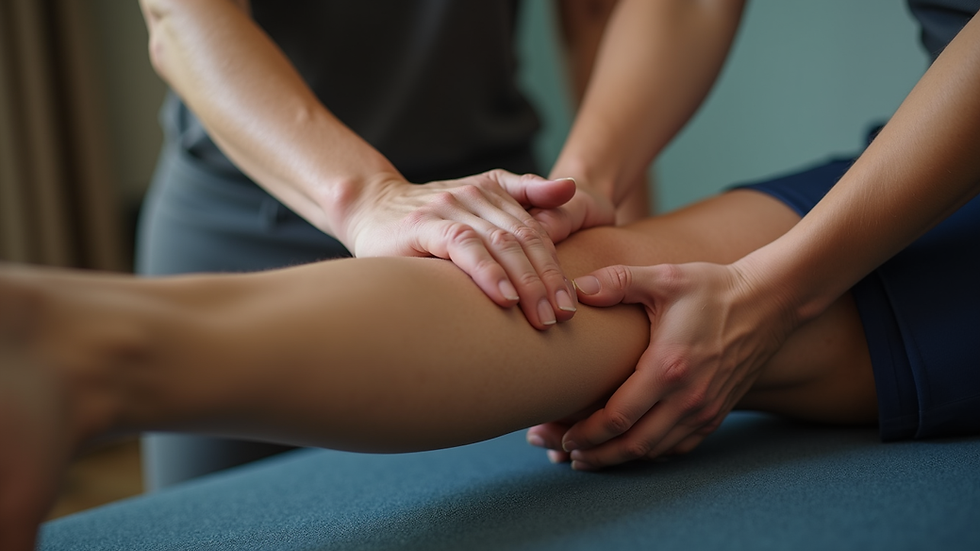
How Often Should You Get a Sports Massage?
The answer varies. Beginners should start with one session every 3-4 weeks. Regular athletes benefit from weekly or biweekly sessions. During intense training or competition, 2-3 sessions per week may be necessary.
For personalised advice, check how often should you get a sports massage.
General frequency guidelines:
Light activity: 1 session per month
Moderate training: 1 session every 2 weeks
Heavy training/competition: 1-3 sessions per week
Adjust based on soreness, fatigue, and performance changes.
Scheduling Sports Massages Around Training
Timing matters. Avoid massages immediately before intense workouts or competitions. Schedule sessions 24-48 hours after heavy training to aid recovery.
Example schedules:
Weekly training: Massage on rest day or light training day
Competition week: Massage early in the week, avoid day before event
Post-injury: More frequent sessions initially, taper as healing progresses
Consistency improves muscle health and reduces injury risk.
Signs You Need More or Fewer Sessions
Monitor your body’s response. Increase frequency if:
Persistent muscle tightness
Frequent cramps or spasms
Slow recovery after workouts
Reduce frequency if:
Excessive soreness after massage
Fatigue or decreased performance
Skin irritation or bruising
Communicate with your therapist to adjust the plan.
Integrating Sports Massage with Other Recovery Methods
Combine massage with:
Stretching
Foam rolling
Hydration
Proper nutrition
Adequate sleep
This holistic approach maximises recovery and performance.
Booking and Personalising Your Sports Massage Plan
Choose a therapist experienced in sports massage. Discuss your training schedule and goals. Personalised plans improve outcomes.
MarkTheMasseur offers flexible booking and gift cards. Convenient options support regular sessions.
Maximising Benefits Through Consistency
Regular sessions build muscle resilience and prevent injury. Sporadic massages provide temporary relief but limited long-term gains.
Plan sessions ahead. Track progress and adjust frequency as needed.
Regular sports massages support training and recovery. Tailor frequency to your activity and body signals. Use professional advice and consistent scheduling for best results.


Comments